
-
 Media gallery
-
 Media gallery
-
 Media gallery
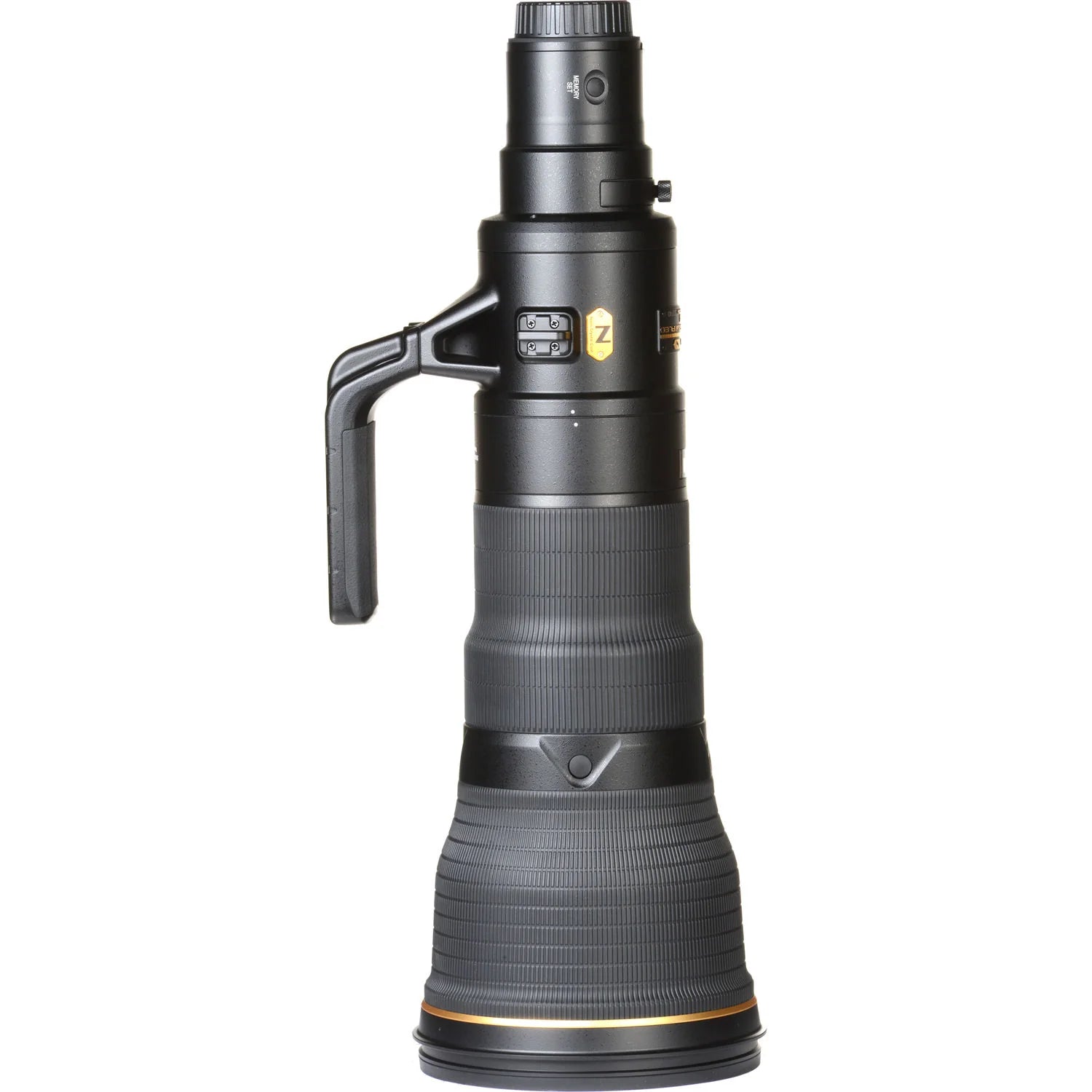
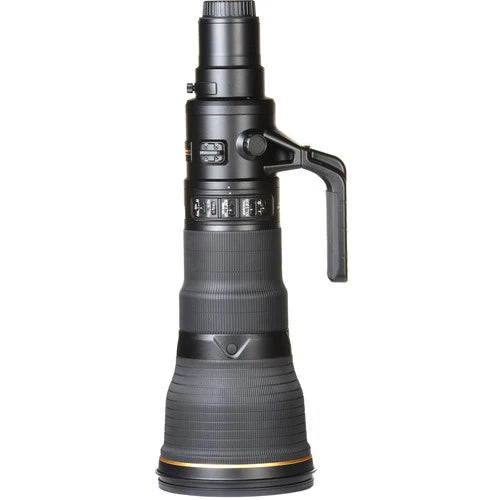
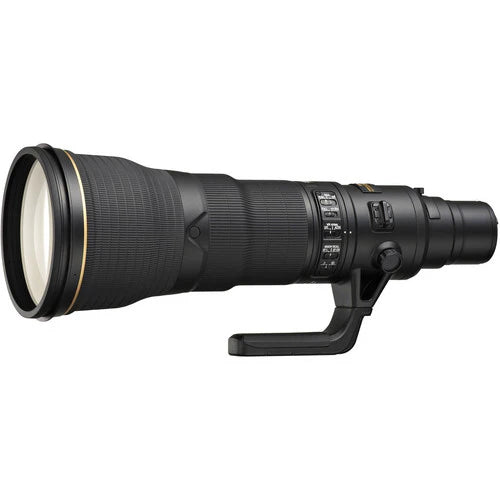
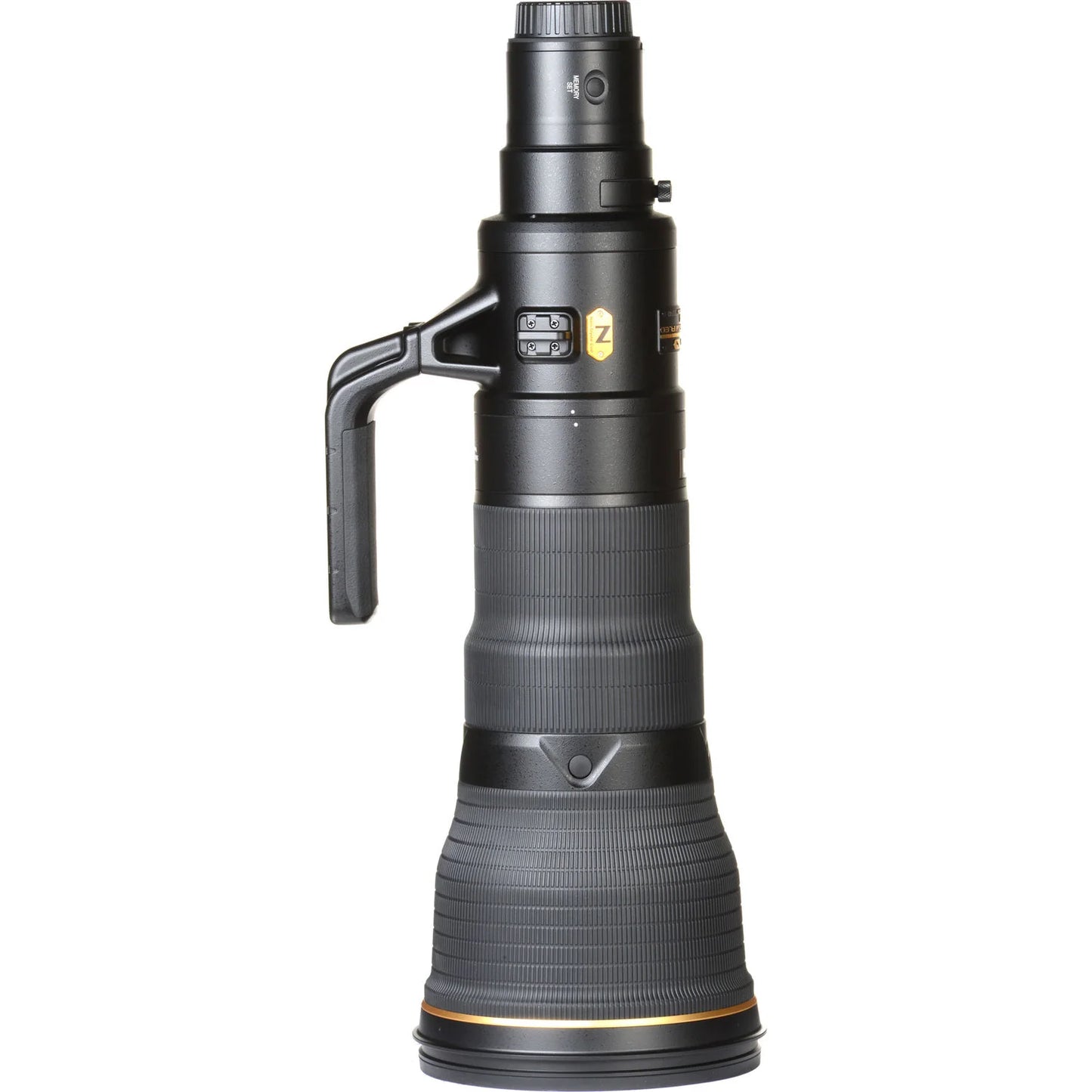
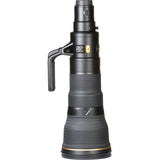
Nikon AF-S 800mm f/5.6E FL ED VR Lens (Black)
- Sale price
- £6,775.00
- Regular price
-
- Regular price
- £6,775.00
- Unit price
- per
Est. Shipping : Within 2 Business days
Est. Delivery : Within 5-7 Business days
Couldn't load pickup availability
Product Description
Product Description
Introduction
The Nikon AF-S 800mm f/5.6E FL ED VR Lens (Black) is a professional super-telephoto prime lens designed for Nikon F-mount DSLR cameras. With its exceptional 800mm focal length, bright f/5.6 maximum aperture, and advanced optical construction, it is built for photographers who need extreme reach and detailed subject rendering. It is particularly suited to wildlife, bird, sports, aviation, and nature photography.
Exceptional 800mm Reach
The 800mm focal length provides extraordinary magnification, allowing photographers to frame distant subjects without approaching them closely. This makes the lens especially valuable for wildlife and bird photography, where maintaining a safe and respectful distance is often essential. It can also capture tightly framed details in sports and aviation scenes.
Advanced Optical Design
The lens uses fluorite (FL) and Extra-low Dispersion (ED) elements to help minimize chromatic aberration and maintain high levels of sharpness and contrast. Nikon's Nano Crystal Coat helps reduce flare and ghosting, supporting clear images when shooting under challenging lighting conditions.
Vibration Reduction
Nikon's Vibration Reduction (VR) technology helps compensate for camera shake, which is particularly important when working with an extremely long focal length. This allows photographers greater flexibility when shooting handheld or using less restrictive shutter speeds in suitable conditions.
Fast and Precise Autofocus
The Silent Wave Motor (SWM) provides fast and quiet autofocus performance, helping photographers track wildlife, birds, and moving subjects more effectively. The lens also offers full-time manual focus override for precise adjustments when required.
Professional Construction
Designed for demanding outdoor use, the lens features a robust professional build and incorporates weather-resistant sealing to help protect against dust and moisture. Its fluorine-coated front element also helps resist dirt and makes the surface easier to clean.
Conclusion
The Nikon AF-S 800mm f/5.6E FL ED VR Lens (Black) is a specialized super-telephoto lens offering exceptional reach, advanced optics, effective stabilization, and professional construction. For wildlife, bird, sports, and aviation photographers who require maximum subject magnification and detailed image quality, it provides an impressive long-range shooting solution.
Nikon AF-S NIKKOR 800mm F/5.6E FL ED VR Specs
| Focal Length | |
| Maximum Aperture | |
| Minimum Aperture | |
| Lens Mount | |
| Lens Format Coverage | |
| Angle of View | |
| Minimum Focus Distance | |
| Maximum Magnification | |
| Optical Design | |
| Diaphragm Blades | |
| Focus Type | |
| Image Stabilization | |
| Tripod Collar | |
| Filter Size | |
| Dimensions (ø x L) | |
| Weight |
Notified by email when this product becomes available
£6,775.00

Why Choose Us?
Choose Cameriz Limited, your trusted online destination for brand new, top quality camera gear at unbeatable value.
You May Also Like
FREQUENTLY ASKED QUESTIONS
You've Got Any Questions?
At Cameriz Limited, we offer 2 years warranty on Camera, Camera Lens and Camcorders. 6 months warranty on Camera Flash and No warranty on Accessories like, Battery.
We offer a hassle-free return policy. If you're not satisfied with your purchase, you can return it within 14 days for a refund. Product must be in original sealed pack condition to qualify for refund.
Delivery times vary based on your location, but we typically ship within 1-2 business days from the date of order. You'll receive tracking information as soon as your order is dispatched.
